.png)
The Fleuve
Plastic Free Friday
A weekly commitment to reduce plastic use, choosing reusable, refillable, and plastic-free alternatives every Friday.
Welcome
Welcome to Plastic-Free Friday, a Collective Act of Care
Plastic Free Friday is a weekly commitment to reduce plastic use, especially single-use plastics, by choosing reusable, refillable and plastic-free alternatives every Friday.
November 20, 2026 Plastic Free Friday
Friday, November 20, 2026 | The Fleuve
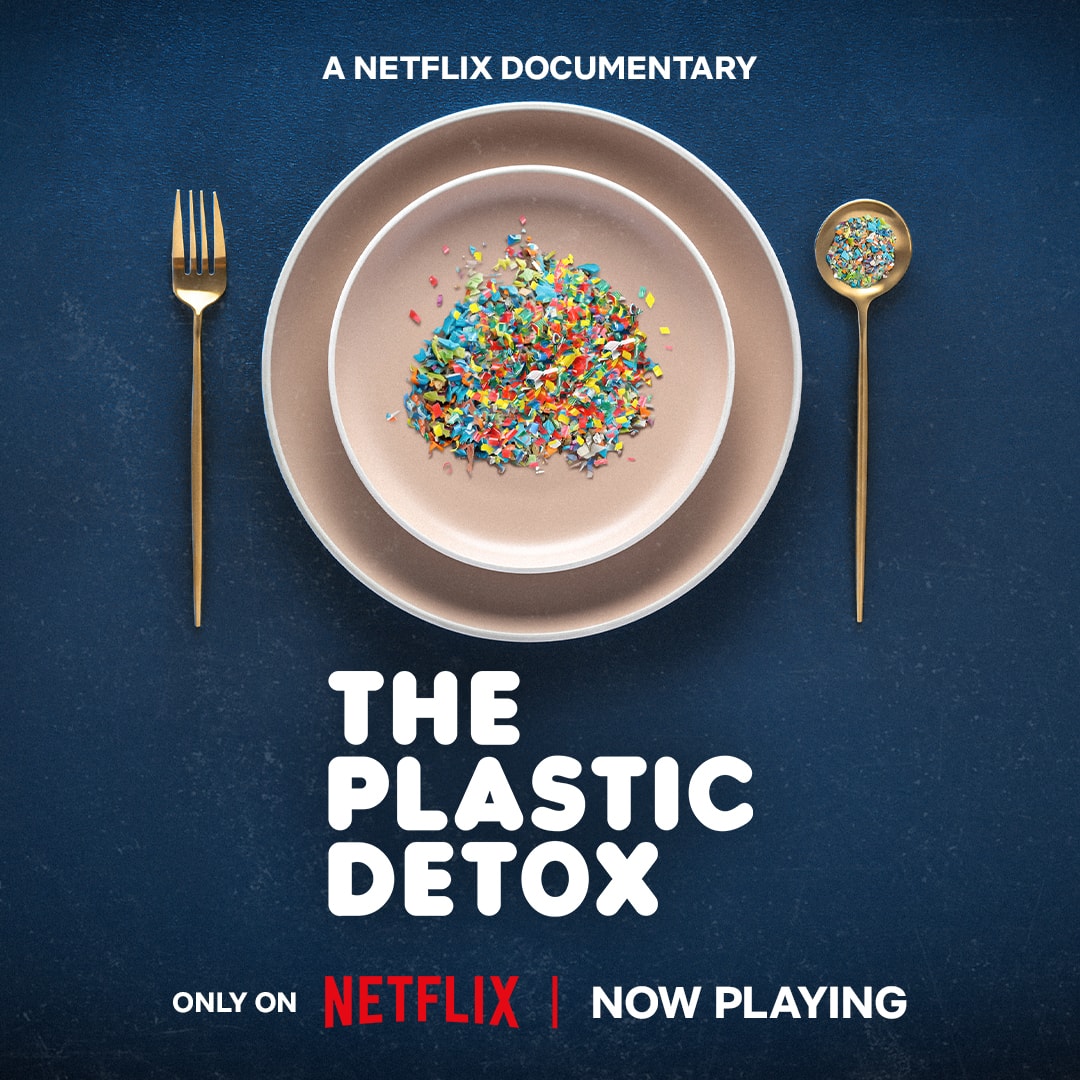
The Plastic Detox takes a look at how chemicals in everyday plastics may affect fertility and follows one couple's experience with unexplained infertility.
Plastic also affects the environment before it reaches our homes and after we throw it away:
Production
Most plastics are made from oil and gas. Making them releases greenhouse gases and air pollution.
Disposal
Plastic waste can harm wildlife and break down into microplastics that pollute soil and water.
Reposted from @unplasticyourlife
"After struggling with unexplained infertility, Julie and Eric joined The Plastic Detox experiment with little awareness of how chemicals used in everyday plastics could be affecting their fertility. After reducing their exposure to plastics, they experienced a range of changes, from better sleep and weight loss to, ultimately, the joy of welcoming their son Rowan into the world.
In a candid conversation with Professor Sarah Dunlop, Julie and Eric share their journey and how the experience inspired them to advocate for stronger protections from endocrine-disrupting chemicals found in everyday plastic products."
As we head into the holiday season, watch The Plastic Detox on Netflix.
Why It Matters
Plastic Pollution & Health Impacts
Plastic production, use and disposal create widespread pollution. Certain chemicals used in plastics can contaminate food and drinking water and are linked to serious health problems, including cancer, hormone disruption and reproductive harm.
www.endocrine.orgFossil Fuels & Environmental Injustice
Plastic production relies heavily on fossil fuels, releases greenhouse gases and pollutes air, land and water. These impacts disproportionately harm frontline communities living near petrochemical facilities and waste sites.
www.unep.orgThrough small, consistent actions, individuals and communities can reduce plastic pollution, help protect public health and move us toward a more just and sustainable future.
Disclaimer: This message is intended for educational and awareness purposes only. It does not promote or oppose any political party, candidate or public policy.
Get Involved
How Can Everyone Participate?
Starting Friday, November 20, 2026, and continuing through New Year’s Day, Friday, January 1, 2027, check back here each week for tips, special promotions, toolkits and resources to help you reduce plastic use.
Getting involved is simple:
- Choose reusables on Fridays and whenever possible.
- Refill instead of rebuying everyday essentials.
- Choose plastic-free alternatives when shopping.
- Learn and share information with friends, family and your community.
- Support frontline communities impacted by plastic production and pollution.